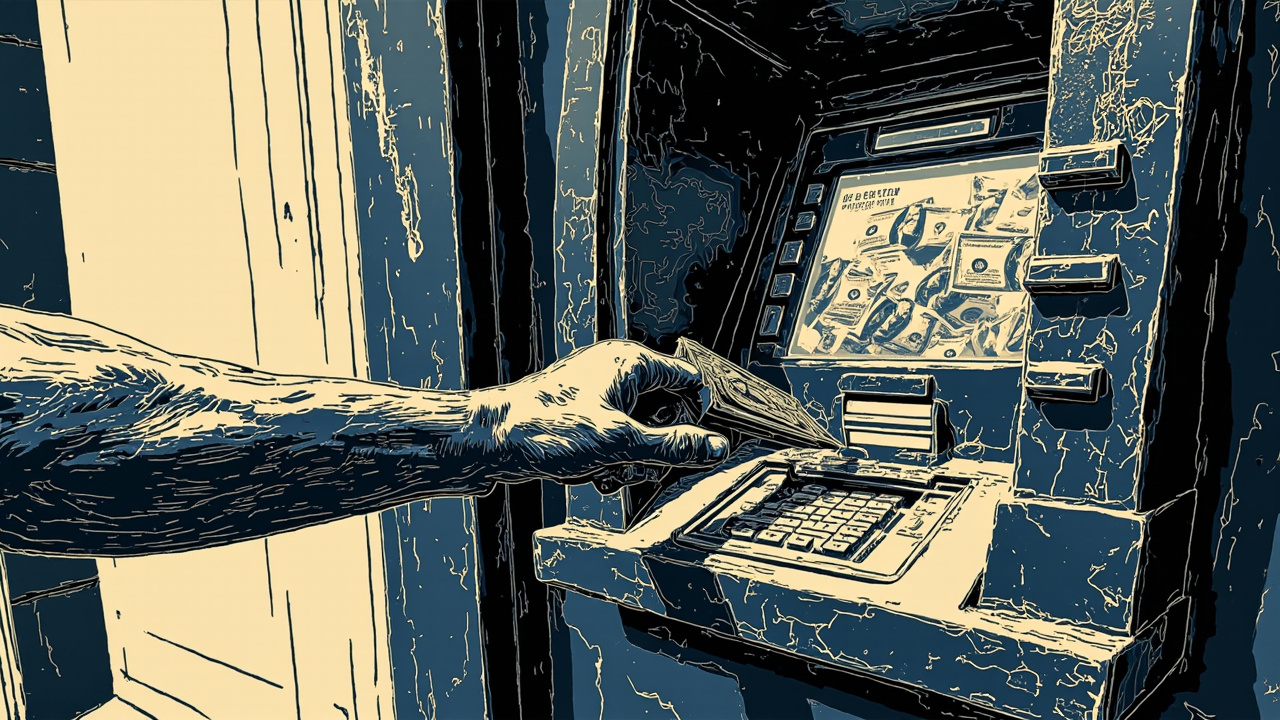
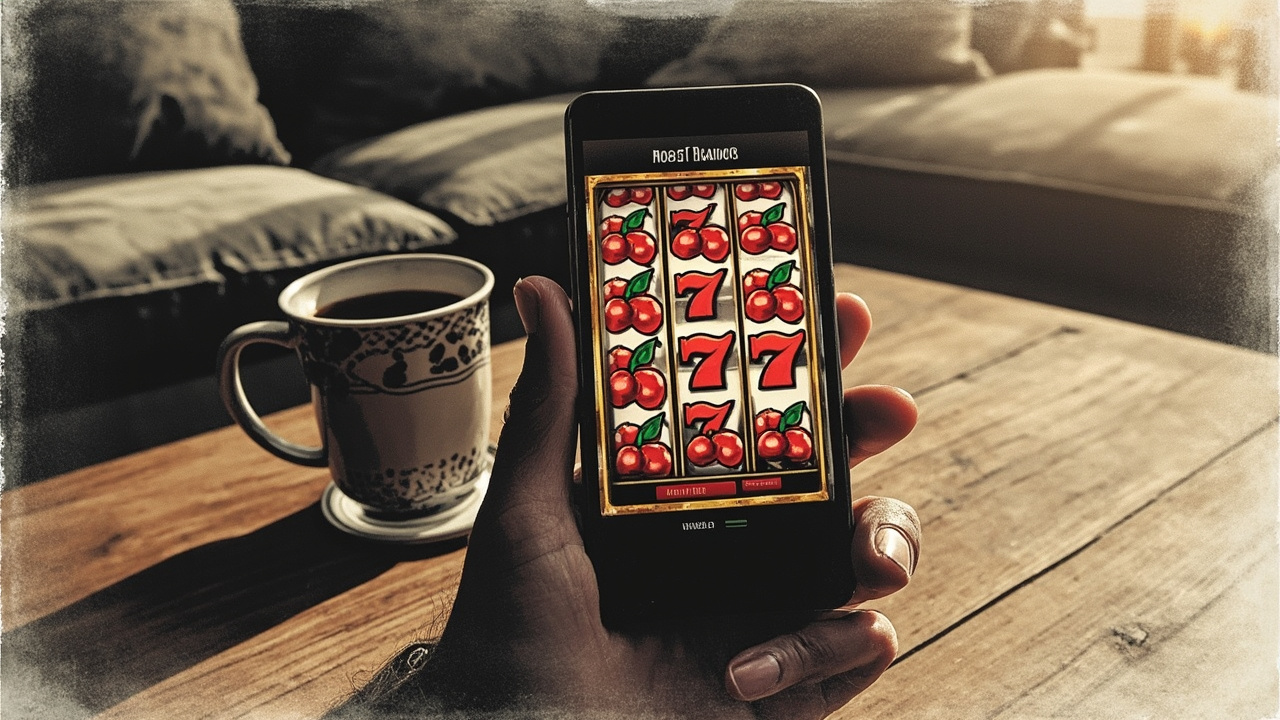
Gambling should stay a form of entertainment, not a pressure point that follows you home. When the signs of problem gambling start showing up in your weekly routine, it is time to pause and recalibrate. I have spent years shaping commercial strategy across global gaming and sports markets, and I can tell you that the most sustainable operators build guardrails first and growth second. This piece treats those warning signs as a practical alternative built around different priorities, with a clear look at what ongoing value actually means once the welcome offer is gone.
Reading the early signals without panic

The first signs of problem gambling rarely arrive as a dramatic crash. They show up as small shifts in how you talk about time, money, and expectation. You might notice yourself checking balances more often than you planned, or you start treating a casual session as something you need to win back. In my experience scaling commercial operations across sports and media, the clearest warning is always behavioural consistency, not a single bad night. A player who once logged in for an arvo spin and logged out is no longer operating on the same priorities.
I have sat across the table from executives who measured success by repeat engagement alone, and the ones who lasted built friction into the journey on purpose. That means recognising when chasing a loss stops feeling like a choice and starts feeling like a routine. If you find yourself explaining away spending that no longer matches your budget, or if a mate mentions you seem tense after every session, those are practical signals worth taking seriously. The goal is not to shame the habit, but to catch the drift before it becomes expensive.
A beginner’s guide to checking yourself honestly
If you are new to thinking about this side of play, treat it like helping a mate who has never looked at it closely. Keep it simple, step by step, and do not overcomplicate the language.
You can start by walking through the basics together, just as you would show them around a new space. There is no need to rush, and you can always refer back to https://logincrocospins.com/ if any questions come up. Take it one piece at a time, and soon enough the whole picture will feel much clearer.
- Write down what you actually spend in a normal week, not what you hope to spend. Use your own bank statements and app history, because memory tends to soften the numbers.
- Note how often you play when you are stressed, bored, or trying to recover a previous loss. Frequency matters more than the dollar figure on any one session.
- Ask one trusted person whether they have noticed a change in your mood after you play. An outside view often catches what we rationalise away.
- Set a hard stop before you log in, including a time limit and a loss limit, and treat both as non-negotiable rather than aspirational.
- If you keep breaking those limits, step back for a set period and revisit whether the activity still feels like entertainment.
That sequence is deliberately plain because clarity beats complexity when you are trying to spot the signs of problem gambling in your own routine.
Why the welcome offer is only the start
A lot of players judge a casino by the first bonus and then ignore what happens after. Ongoing value is where the real picture forms, and it is also where the signs of problem gambling can hide if you are only chasing the next promo. Recurring promos, cashback, loyalty tiers, tournaments, and repeat-play reasons all matter, but they should support a budget you already control, not replace it. I have seen commercial teams build entire retention models around repeat engagement, and the operators that stay credible make sure those mechanics are transparent rather than designed to blur your sense of pace.

You can see that same discipline in other Australian entertainment spaces. Fashions on the Field is a style competition held at Australian race carnivals, and it works because it has clear rules and a finite runway, not because it keeps stretching the moment. Casino surveillance rooms monitor dozens of camera feeds at once, which is a useful reminder that the environment is built to observe patterns, including your own. Esports betting has grown into a significant new gambling market, and with that growth comes a need for sharper self-awareness about how often you are actually engaging. If ongoing value starts to feel like a reason to stay longer than you intended, that is a sign worth naming.
The practical test is simple: can you enjoy the recurring promos, cashback, loyalty/VIP points, tournaments, and repeat-play reasons without them pulling you back in when you meant to stop? If the answer is no, the issue is not the offer, it is the habit around it.
The signs of problem gambling are less about one bad session and more about a pattern that keeps pulling you back after you meant to step away. Treat the warning signals as a prompt to reset your boundaries, keep your spending visible, and judge any casino by what it offers once the welcome period ends. If the routine no longer fits the life you want, the smartest move is to pause and get the help that actually matches your situation.